A Time to Retreat from Trauma

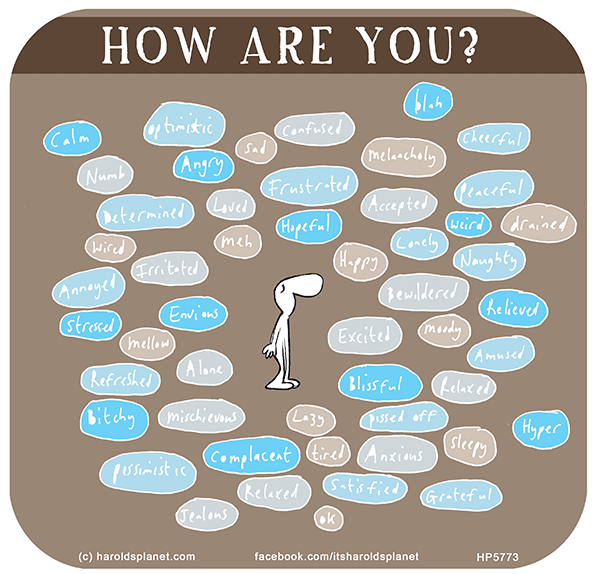
How do you move away from something difficult, dangerous, or disagreeable?

Should we tell someone about our painful past? Are we still struggling with our childhood or adult-life experienced trauma but endangered to discussing our experiences? 

Our unhealed childhood trauma can manifest in various ways, hereby impacting both our mental and physical health, as well as social interactions. When un-resolved, it can lead to emotional and mental health challenges, difficulty forming relationships, behavioral issues and moving on in life. 

Adults who endured serious childhood trauma may assume their whole future must be determined by their past. It doesn’t have to be. Those who are able to choose a different path can beat the odds.

One rewarding part of my job as a therapist is persuading or encouraging people to go back memory lane… which is more like revealing ourselves to another person, but appropriately applying clinical tools like DBT and CBT-Informed Trauma for safe space purposes.

Believe me, this is not an easy task.
Many people I know have experienced at least one trauma event in their lifetime, with so many developing into PTSD (post-traumatic stress disorder) and still not comfortable talking about it. Even when we know that the power of self-disclosure will bring about change, growth, increase our comfort level when telling our stories, especially if we are still hurting whenever we think about it.

But while we were yet children, more than 20% of us will have at least one or two traumatic experiences. Some we have managed to resolve through divine or direct intervention, or probably still covering up our bruises from over the years until emotionally triggered or displaced. 

So, what is trauma? Trauma is an emotional response to a terrible event like physical, sexual, emotional abuse; or an accident, crime, natural disaster, neglect, experiencing or witnessing violence, death of a loved one, war, and more.

In my opinion, trauma is defined by the way a person reacts to events. An adverse traumatic experience to one person may not be dreadful to another. While some people can cope with the trauma and move forward quickly. Others, though, may not be able to cope.

I have experienced some and still healing … I also have listened to several of my support group members tell me theirs.. “Hey, Its Okay, This Is a Safe Space To Be You” I usually say with a warm assuring smile before every therapeutic session as they tell their stories.

It takes so much courage to talk openly about experiences that are humiliating and invalidating. Some trauma survivors hold deeply entrenched feelings of self-blame and other distorted and inaccurate thoughts about the role they believe they played in their abuse. Some display laughter which is a way to communicate that embarrassment, and also an avenue for distraction to short-circuit further exploration of their trauma experiences.

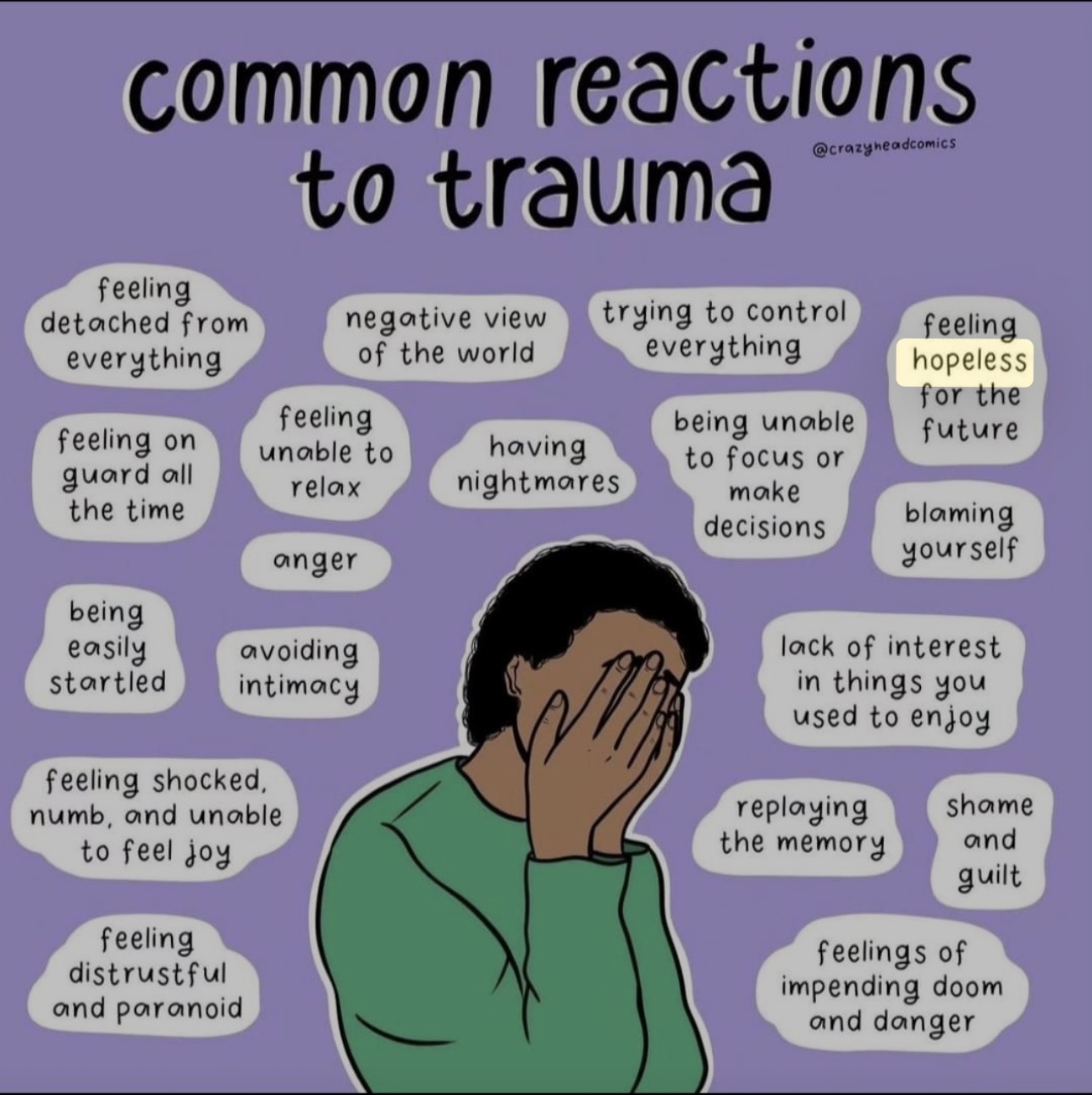
What We See: Immediately after such an adverse event, shock and denial becomes typical, long term reactions include unpredictable emotions, flashbacks, strained relationships, and even physical symptoms like headaches or nausea. While these feelings are normal, some people will have difficulty moving on with their lives and become burdened with their untold tales of trauma. Not everyone though.

But, why then do we still struggle to share our painful experiences? I know talking about our painful past comes with risks and rewards, and I know there is no single rule or principle that all people who have experienced trauma can follow and expect positive results when it comes to self-disclosure. But the good thing is that, probably knowing how to break the code of silence may be easier if we know how self-disclosure helps. 

After working with young children for years, I learned that some of their response to traumatic events usually appear in the form of anger or fear and can seem like a regular display of emotions that are sometimes not considered trauma, but disruptive behaviors in structured settings, especially at schools.

For the older generation, underneath all that exaggerated laughter, macho moves, makeup, fancy garment, social media packaging display… there is just so much more going on with a camouflage for suffering in silence. It is important to recognize these emotions and behaviors as possible trauma symptoms, without dismissing them as just being attention-seeking, fake-happy, sad or moody.

Photo by Antoni Shkraba on Pexels.com

My personal trauma story is linked around my MAY birthday season, it has become a conscious mental health check clock that takes me back memory lane to my never-to-be forgotten 19th birthday celebration event which resulted in an overwhelming lockdown in Ogoni Land. A terrifying school riot in Rivers State.

I still cringe with daunting memories as layered goosebumps decorate my skin whenever I remember the faces of distressed students running around the campus, seeking shelter and escape… gun shoots, screams, burning buildings and finally safety in the hands of total strangers who sheltered us in an unknown remote village to hide for days, until help came from Port Harcourt city civil right advocates.

I never realized I was haunted about the whole event until I finally sat down for social emotional disturbance talk-therapy 15 years later to address a different emotional distress, after being robbed at a bank in downtown Philadelphia, while working as a head teller.

Oh dear! that was a-whole-lot of unresolved narratives poured out… but yeah, I was glad the platform was available, it helped me move forward… #TalkTherapyWorks.

What’s the impact of trauma?

So, today if you are reading this… Let’s practice some mindfulness together….’soft breathing techniques… in with the new…. out with the old... while applying deep self-reflection towards our feelings and asking ourselves… ‘What quirky memories do I still carry with me? ‘Do I still tremble or easily triggered when I remember any dreadful event? ‘Am I still holding on to some bizarre memories of what …’He did to me’.. ‘She said to me’.. ‘They put me through’? Has there been any remarkable behavior that struck you about people who had never disclosed their history of trauma that you can identify with?

Was there any enormous feeling of guilt, shame and negative self-concepts that stayed the course of time in your mind? Would you agree that some painful emotions were as fresh today as when they first arose? Most of us have not learned to shift those traumatic memories to be simply bad memories; memories that have little power to stir up distress.

What We Hear: I noticed a lot of people exposed to several adverse childhood experiences saying, “I have never talked about this before. No one will believe me. No one has ever asked me.” But evidently, our trauma stories do not reside inside us anymore; because we decided to tell it… to release, forgive, inspire and teach.

Some poor conditions in the past and present can affect us, but not disturb us. Overtime, we have allowed our present beliefs to create our current disturbance. We often underplay and do not recognize how flawed our logic is about our trauma events.

To challenge our reasoning, I usually practice the following: “Imagine you’re talking to a 12-year-old who just experienced their father walk out of the family and disappear forever. Would you suggest that if the child had only kept their grades up, cleaned their room more often, and been a better person, bad things would not have happened to them?” hmmm…certainly our thinking does not sound very helpful when we put it to that test. What about that child 20 years after? How is the family doing emotionally, 10 years after?

One of the hardest parts of therapy (talking) is revealing ourselves to another person. It is also one of the most healing paths into self-discovery when done in a SAFE space. We are hurt in the context of relationships, and it is within another relationships that we find healing.

We can still be struggling with disconnecting from the past, shut down any advances to move forward, and in the process, find our healing path in another worthy relationship that is so good for us.

As C.S. Lewis once said, “You can’t go back and change the beginning, but you can start where you are and change the ending.”

When we feel shameful of how self-disclosure can expose our fear, weakness and vulnerability, but also leads to post-traumatic growth, improve relationships, and facilitate lasting change.

What to do: You Are Not Alone. Help Is Here. Once you are ready to talk about your painful past, possibly for the first time, here are some things to consider in a SAFE SPACE.

  1. Encourage and bring others into your lonely and confusing personal story can help end that isolation. (Licensed mental health counselors, Psychologists etc.)
  2. Talking can help you change the narrative surrounding the traumatic event.
  3. Direct your ‘When thoughts’ …when heard silently in our minds, they seem convincing. But when we say our thoughts to others, we can see the flaws and faulty reasoning more easily.
  4. Change the narrative surrounding the traumatic event by practicing rational emotive behavior therapy (REBT) which helps to assert that our beliefs about ourselves, others, and the world keep us stuck, not the events themselves.
  5. Talking with others with the same lived experience might be a place to start (this is not pity-party) Regardless of your next step, know that you are not defined by your past but by the direction you are heading.

Today, I find myself constantly using affirmation words like… Hey, It’s also within relationships that we find healingRight? It is okay to set boundaries and bury some” Or just assuring my support group that it is okay to SMILE or laugh when disclosing trauma of a diagnosis.

Our story telling laughter can mean many things to different people. It can signal shame, embarrassment or it can be a defense that protects the trauma survivor from feeling the depth of their actual pain. Have you identified yours?

Moving forward… as I celebrated another birthday last week, I’d decided not to take life too seriously anymore and begin practicing more self-reflection partnered with long adventure-vacation. Simply by having more fun on this journey called life, shuffling and intentionally selecting only what feeds my soul positively, without holding back but flushing out the past and all that came with it. You should try it too… Well, I am still standing, LOL…’ with two lessons learned for a new age (1) Self Reflection. (2) Rest. But more grateful to God.

It is MAY, National Mental Health Awareness Month. ‘How are you developing mentally?

Yours in HOPE as I share…

Yinka.

Healing From Things We Do Not Talk About

We learn so much about life based on what was modeled to us from a very tender age. Some of us, even in our adult lives will still be provoked or triggered by certain events from the past because we are probably still struggling with navigating unstable emotions; what we think and believe about ourselves, about love; disappointments, loss, grief or whenever those big resonating feelings start to build up. 

Meet Amira, my very witty Gen-Z 16 year-old-client with social emotional disturbances. She loves Drake the rapper and singer from Canada. I barely know him, but I do know about Drake from state farm, I’d told her once and received a very dry sober look but with a hidden smile.

I loved that. It means she acknowledges my outrageous sense of humor and presence.

But to better understand and utilize an appropriate clinical treatment for her, and a sustainable person-centered-planning, I had to go learn more about her obsession with Drake’s song; titled ‘Yebba’s Heartbreak. While it took me days to dilate the triggering mention of ‘I do’ from the song, I was able to be empathetic by encouraging open-ended conversation, position myself subconsciously within the lyrics now parading my brain, feel her hurt from the trauma surrounding the message in Drake’s song and to better grasp the reason behind Yebba’s outspoken advocacy for mental health awareness and support.

Emotionally, after 2 weeks of playing the lyrics over in my head, I got younger at heart, gained a new young friend as we became closer with a dash of confidence.

And then the talk started…

Today, if you are reading this, I am asking…

How many of us have tucked in some very critical issues that’s still bitting deep down and affecting our healing process? Were we ever cautioned as children to keep-that-hurtful issue to yourself! arm ourselves with boundaries! or never encouraged to practice the three emotional escape steps (“I Notice, I Feel, I Can”). Or probably, we were reprimanded for even nurturing tender feelings of affection at a very young age? or instructed that embracing how you feel, talking about it and opening up means you are weak and vulnerable? Hmmm.

We cannot keep thinking of vulnerability as a weak and defenseless expression, while assuming that surrendering or submission of how we feel is like waving a white flag for peace in battle. Then whenever these big feelings start to creep-up our nerves, are we still believing that emotional vulnerability can sometimes be the only way we can discharge ourselves from boundaries that come from our default patterns of thinking that we develop from childhood?

In a sudden moment, betrayal can make you go from feeling safe, loved, and known, to feeling vulnerable, unwanted, and alone. And we are told certain burdens are meant to be shushed?

But what creates those early default thought process anyway?

Well, to put it simply, our past experiences. The events that we’ve lived through, the responses and behaviors we’ve seen modeled, and repeated exposure to circumstances all play a primary role in how we think in the present. For most of us, the biggest factor in our default thought process is our family of origin; the way we grew up, the family we grew up in, and the way they interacted with us. 

Help is here!
 
According to; Dr. Tiwalola Osunfisan, a Double-Board Practicing American Licensed Psychiatrist, Dr. Yemi Akinyemi; Professor of Psychiatry at Wayne State University & Dr. Kene Monplaisir of Acuitii. Dr. Nike Shoyinka, Miss USA Ambassador Angelena Taylor and Mental health advocate, Tinuke Odunlami, who all featured in my recently completed ‘Hey Sis, How Are You Developing Mentally Event in Michigan on 12/29/2023, leaving behind very important key points addressing Women’s mental health and giving suggestions on how to embrace speaking up and receiving treatment:

-Adversity is common to humanity. Do not compare, rather, focus on your process and growth. 
– Be authentic! You can only maintain the best version of you and not someone else’s.
– Objectively evaluate all shades of you for optimal holistic wellness 
– Choose improvement and progress over perfection. No one is perfect! 
– Be God-centered and keep your purpose in mind. Let God guide you in all decisions.
– Have an attitude of gratitude.  Gratitude for what you have, improves your mood and reduces anxiety.
– You cannot give what you do not have. So, intentionally fill your cup by taking good care of yourself.
– Self-care is not selfish rather, self-care involves any healthy activity that is intended to provide nurture to you in order to be more productive with your purpose and service to those around you.
– You are strong when you recognize when and how to seek help. 
– Find your trusted tribe, mentor, coach and professional support. You are not meant to do this life alone. 
– Speak up! Seek up! Support another! Spread the awareness!
By Dr. Tiwalola  Osunfisan (Practicing American Double Board Licensed Psychiatrist):
 

Let Us Be Made New

So, our boldness in being expressive and seeking HELP doesn’t need to be grand and broadcast for all to see; it may not be as loud or even annoying as you might have thought; it’s certainly not measured by a lack of fear, but in actions in spite of that fear; and most of all, boldness is simply the act of bringing whatever you have to God and trusting Him with the outcome.

Can we begin to spend some time today recognizing our default ways of thinking and replacing them with truth? And then, remember, this isn’t a once-and-done process. It took years to develop our current mental playlist of thoughts, so let’s expect that it will also take some time and energy to create a new mental playlist. 

But little by little, one thought at a time, this our new way of thinking (speaking up) will soon become the norm. Eventually, we will learn to be more expressive and fearless; never backing down from doing what is right; Be more vulnerable by allowing ourselves to get close enough to our truth; Be more compassionate by entering into our pain and owning our thoughts before they own us.

Yours in HOPE,
Yinka.

Michigan Endorsed Infant-Maternal Mental Health Specialist/Child and Family Licensed Psychologist.

A reflective 25th Wedding Anniversary while addressing the pain of intergenerational trauma in the family

Last weekend marked my 25th wedding anniversary, which was celebrated in a very unique way. Having encountered series of eye opening revelation about life’s tricky games, this was indeed a perfect time to intimately engage the kids, dive into their minds and teach them how to use wisdom as the ability to learn from change.

As expected, my deep conversation about life, hope and gratitude instantly gave me the icky look from my three very outspoken generation-Z kids, which made it clear that it was indeed going to be an interesting but mediative evening of talk therapy onboard our dinner boat cruise. 

As we waited patiently for our seafood combination to be served, I was pleasantly diverted by the beautiful catchy vibes of the sound track ‘We don’t talk about Bruno’ from the movie Encanto playing in the background.

Ah, I bet the kids were relieved and saved by the bell, because they quickly changed the topic once they heard the tunes, and obviously glad to hear the song finally take over mom’s boring talk, (probably also pleased I will finally shut up and stop making this fun evening anything more like my psychology therapeutic clinic).

Thereafter, I began to notice pure display of bliss and bewilderment fill up their faces, bodies moving to the rhythm as their individual point-of-view and opinion surrounding the very controversial movie Encanto began.

Still, my husband and I made it clear to them that the real lesson behind the movie was significantly addressing the pain of Intergenerational trauma in the family, revealing mental health challenges and acknowledging that, spiritually it can be deeper than they can ever imagine.

Here we go… ‘sail with us as I take you into the storyline of ENCANTO. . .

Encanto is an American animated musical fantasy comedy film produced by Walt Disney Animation Studios. It was released on November 24, 2021  in the United States, took place in the mountains of Colombia and focuses on the Madrigals, a multigenerational family whose members were each granted magical gifts, with the exception of one, Mirabel.

In Encanto, Mirabel’s insistence on seeking out Bruno and talking about the cracks in the family eventually cause the rest of the Madrigals to examine their own issues. This enables them to deal with the impact of intergenerational trauma and move forward as a happier, more accepting, and more functional family system.

Encanto features original songs written by Lin-Manuel Miranda, whose soundtrack received widespread acclaim and topped the US Billboard 200 in 2022. A massive critical success (earning the Golden Globe for Best Animated Feature among other accolades), the film went on to become the highest-grossing animated feature of 2021.

So, there is really a lot to reflect on, learn from and love about Encanto, starting from its gorgeous animation, appealing characters, and engaging musical story (best part for my kids) but then, the theme also exposes something many of us today will find profoundly relatable and disturbing, which is:

Not talking about the Origin and Pain of Intergenerational Trauma within the family!

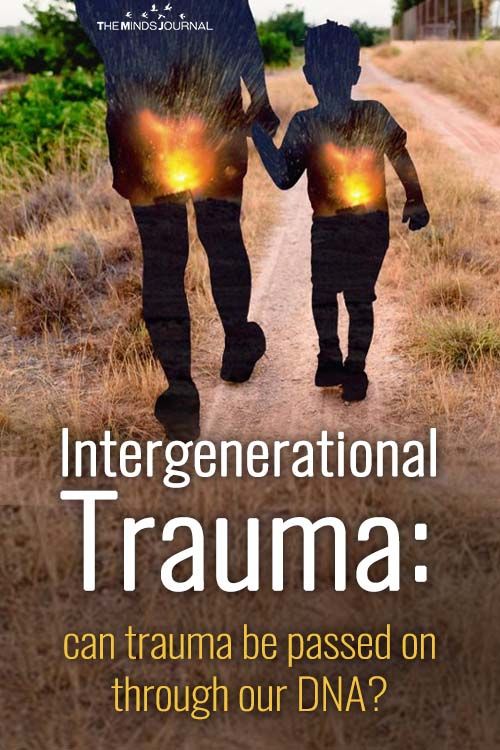
What is Intergenerational trauma?

This is when the effects of trauma are passed down from one generation to the next. It is also referred to as transgenerational trauma or multigenerational trauma.

Every family today must have encountered or still in denial of the pain of unspoken intergenerational trauma in their family as related to the movie, or coping with the aftermath of the deeds.

When the pain and confusion of intergenerational post traumatic events are not properly taken care of, it continues to harbor and disorient the mental well-being of the naïve generation in waiting.

When human consciences are so deeply rooted in secrets so scandalous and dangerous, it births new grounds for regrets, envy and hatred towards each other, within the same family.

Will anyone be bold enough to crush or cancel those generational carry-over curses and burdens that have been circulating within the family? Are we still nursing and sweeping those hideous and detrimental dirt from those before us, under the rug? To keep face, fame or family name?

For how long will we fold our hands and watch in reckless abandonment as our own seeds gasp in bewilderment of how crazy things were then, or laugh at our ignorance because they have chosen to be brave, and chosen the path that prevails towards the light, or even (God forbid) fall through the cracks… all because the pain of intergenerational trauma was never addressed in their family?

Are you following me?

When something happens to one person in the family system it can affect the whole system when not resolved. It can also reveal family patterns of behavior and repeated dynamics across generations that help contextualize how one set has impacted the next. Positively or negatively.

And because it is almost forbidden, it is usually never discussed. It gets hushed as the trauma from unspoken turbulence gets carried on with heavy hearts full of biases, hatred and anger.

We should talk about it to get help, closure or at least deal with it now, so the generation we are raising and thereafter are not burdened by the errs or sins of any past or burdened with…

(1) Self-blame & Depression (2) Denial & Loneliness (3) Attacking Others and seeking attention/affection (4) Withdrawal in their own time and then life-long feeling of insecurity.

Just like in the movie Encanto and our daily lives, some are still dealing with very controversial, diabolic or difficult family members far or near, without really understanding the genesis of the turbulence. 

Are we courageous enough like Mirabel in the movie, who insisted on seeking out Bruno and talking about the cracks in the family, which eventually causes the rest of the Madrigals (especially The Matriarch) to examine their own consciences, issues, deal with the impact of intergenerational trauma and move forward as a happier, more accepting, and more functional family system?

Or are you like Abuela (their grandmother) who focuses on the past hurt and miracle that kept her and the triplets alive, who believes that a certain ‘magic’ arose from experiencing deep pain, a pain so deep that it’s impacted each member of the Madrigal clan, even if they don’t know exactly how or why?

Move closer and hear me out…

Accepting deep sorrowful carry over indeed is trauma. And no matter how sweet or tender that person is or was, allowing the rest of the family to carry on their pain is toxic, dangerous and unacceptable.

Are we comfortable in our truth? Or still in denial of what could have been?

Today, in marriages or relationships, we see this same trauma still lurking in the background making our own multigenerational story the perfect lens through which understanding and exploring leftovers or carry overs of intergenerational trauma seem acceptable.

What is it? how can people cope with it?  Why is it important to seek help, step out of that circular-curse in order to move forward into greatness?

If you are reading this today, and have ever wondered, ‘why the cracks in my life or my family? Why the cracks in my relationships? can I relate to the apparent unexplained challenges I see in my family-line? Can I be excused of partaking in the trauma-party witnessed in my family? Indeed, are there still many rivers that flow into the reservoir of trauma that I need to be aware of?

Even if an individual isn’t aware of the roots of the intergenerational trauma they’re experiencing, bringing about change can happen by reframing and refocusing events and responses that an individual can control.

So, as I celebrate my 25th year of this edifying institution called marriage with my ‘ForeverDude, I pray for more Godly insight to be courageous in dissecting and discussing filling-up strategies for any situation that comes our way… praying for divine intervention regarding other relationships out there that require super connection and amendment from God. Praying that the generation after us will look back with sound minds while maintaining a Godly foundation, a coherent narrative that encompasses the whole functional family system, at least as much as possible. 

And YES! it is okay to talk about Bruno 🙂

Yours in HOPE & HEALING as I share a video clip from Encanto’s ‘We don’t talk about Bruno’

YinkaTLLP Licensed Child and Family Psychologist, Michigan Endorsed Infant Mental Health Therapist, Certified ABA Specialist & Certified Early Childhood Educator/Policy Advocate.