
It is April, World Autism Awareness Month.
Let me begin by applauding all the great parents out there still committed and dedicated to helping with easing the acceptance of a given diagnosis, while following through with the prescribed-treatment plan for every child living with autism. I celebrate you! You did well! You are doing great!
Today, please take a 5-minute break, to look back at where you all started from, put on a happy expression, beam with gratitude or a smirk of “Just WOW” that displays your boldness, inspiring enough to tell stories of initial personal struggles, but later turned into a million little miracles of developmental victories, as you continue to surge forward in hope, for the future of your children. Remember, you are never alone.
Here I am speaking to you as a mother who has also experienced a child’s diagnosis+treatment on the home front, while my super hero cape is on and active as a licensed clinician of 20 years on the field, trust me when I say… ‘I DO understand what it is to journey through that road called… “Perhaps”
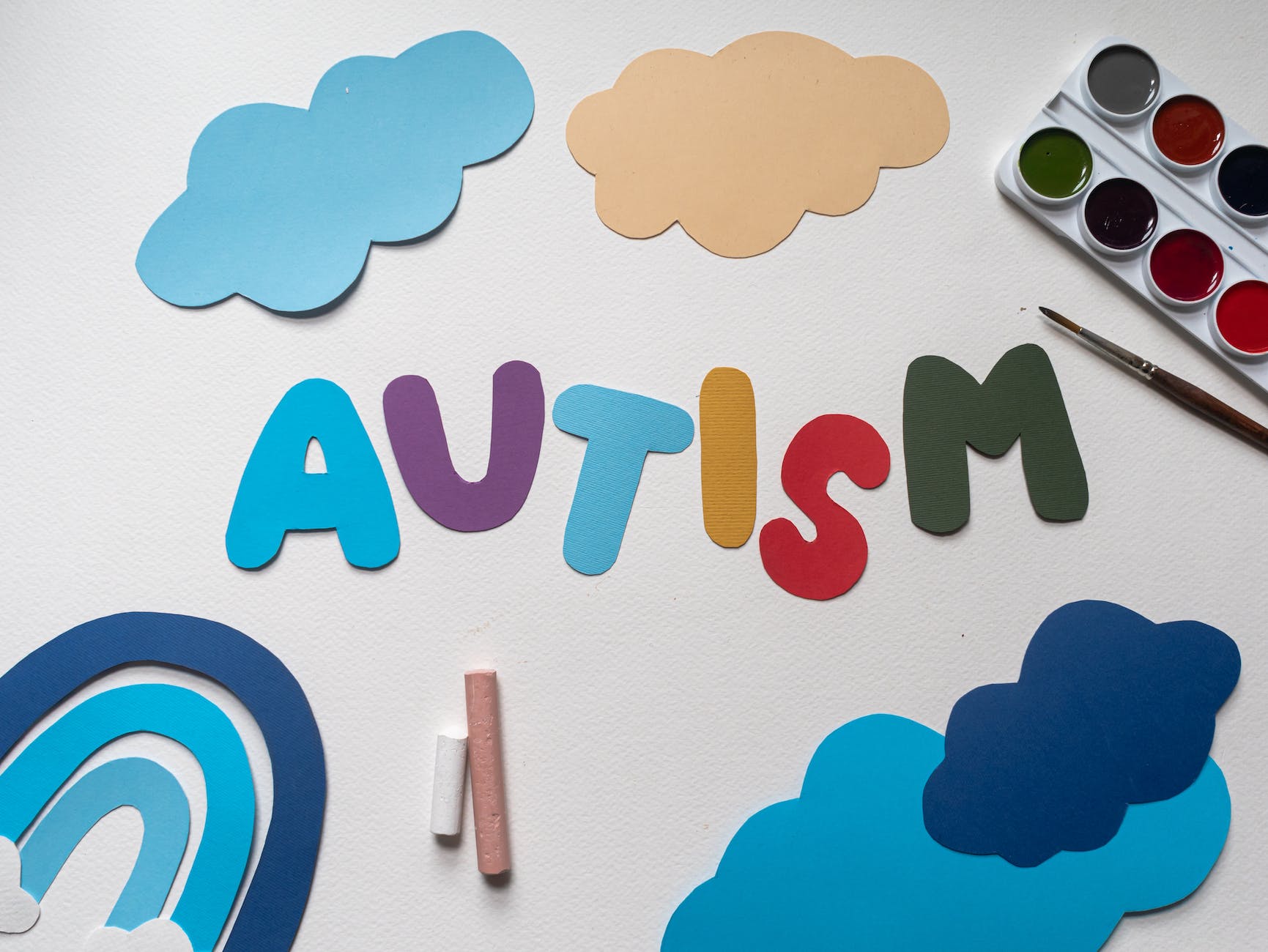
Every child is born with his or her own individual way of approaching the world. I personally believe ‘Temperament’ stands out most as one of the unique qualities. Some will argue that, providing healthy and consistent validation on the part of the parents can help to instill a sense of worth and value in their child’s temperament as being seen and heard. While others believe that it is only critical to elevate the child’s emotional development through positive socialization, and development of a self-identity.
Hmm. To validate those emotions or not-to validate?
It is either a child’s temperament is easy-going, slow-to-warm, and active based on their environment.
Because childhood invalidation is thought to be related to many mental health issues in adulthood including an increased risk for both borderline personality disorder and narcissistic personality disorder. While invalidation may or may not include overt verbal abuse, its effects are typically longstanding and often carried with that child into their adult relationships.

There is No Right or Wrong Temperament.
It’s very important for children to be accepted for who they are. It is true, though, that some temperaments are easier to handle than others. A parent with an intense, reactive child or a child who is very shy and slow-to-warm-up will tell you that parenting these kids can be a challenge at times. But, how can we learn when to tune in or acknowledge the child’s mood, while anticipating how they will react in certain situations without a display of their unique characteristic attitude or mood? hear this…
Temperament is not something your child chooses, neither is it something that you created. A child’s temperament shapes the way he/she experiences the world. A child who is cautious and needs time to feel comfortable in new situations and a child who jumps right in are likely to have very different experiences going to a crowded classmate’s birthday party. While the child who can handle a lot of sensory stimulation will experience a trip to the grocery store differently from a child who has a low threshold for a lot of surrounding noise and action. Same attitude, different reaction.
And how do we respond (rather than react) to unexpected display of affection or outburst? aka: social tantrums or reported showdown by non-family members? Do we validate affectionately or otherwise? hear this…
Maybe it is time we consider some characteristics that can describe a child’s temperament:
- Emotional intensity – unstable moods, impulsive behavior and relationships
- Activity level – the rate a child uses movement and physical skills to learn and explore
- Frustration tolerance – dealing with setbacks (frustration or everyday inconveniences)
- Reaction to new people – is this mutism or social phobia?
- Reaction to change – some degree of discomfort without transitional plan
Child validation is the act of understanding and recognizing a child’s needs, feelings, thoughts, emotions, and non-verbal behavior as valid. It’s based on being able to empathize with a child’s trigger point and relate to their sensory-based reality or traumatic lived experiences.
On the other hand, invalidation is ignoring the child’s non-verbal attributes or when a child is made to believe that their needs, feelings, or lived emotional experiences does not matter. In other words, if conditioned in their childhood to believe that how they perceive their world is unreasonable or insignificant, these same messages can later generalize to feelings of insecurity, deep depression, issues in trusting themselves or others, and an unstable sense of self-identity.
Aha! here is my remedy: Be Your Child’s Champion! learn to follow their lead.
Have you ever found yourself feeling isolated from or being misunderstood, possibly even put down either by family, friends, and neighbors who disapprove of or judge your child? It can be empowering to see these situations as opportunities to educate others about your child. Step up!
For example, Abel is your son on the spectrum: you can explain to his aunt who is not getting the warm reaction expected from your child, “Abel, like a lot of other kids, needs time to adjust to new people or new environment.” You then hand her Abel’s preferred toy or favorite book, helping her learn to approach Abel slowly or change her diction to sensitively say …“It’s okay, I will just sit down next to you and wait while you are ready” “I see how you worked so hard building those blocks, maybe we can re-build together while you show/teach me” “Here, take my hands or show me how to help you”

So, understanding your child’s temperament helps you be a better parent. Recognizing patterns in your child’s behavior that are easily triggered by temperament can help you anticipate your child’s responses to certain situations. If you know that your child has a hard time making transitions, you can learn to work on visual schedule planning or gentle prompt-reminder system to ease the process of change.
Sharing and observing your child’s strengths helps others see your child’s behavior from a different perspective, especially when derogatory names like ‘feisty nature’ are thrown carelessly around your child, take a deep breath, smile and allow the motherly instinct inside of you swell with pride and say “Hmm, Bella knows who she is and what she wants. She is loving and she is fierce. She puts her whole heart into everything.” Done.
Ordinarilly you might not be able to always control your child’s temperament, but you sure can navigate the triggers others bring around your child. Remember, the goal is not to change your child, but to help with adapting coping strategies and encouraging positive strength building.

While the month of April is dedicated to autism awareness, for me, everyday I am passionately connected to providing coping strategies+treatment for kids, providing individual personalized parent training, advocating for the importance of early detection in infant/toddlers and sharing resources with families in taking positive action…
Conclusively, I implore all parents and caretakers to make the necessary sacrifices in understanding that autism is not solely a psychological/psychiatric disorder… … relatively it is physiological (neurological and biochemical) – meaning that there are things you can do to improve your child’s health, learning, and behavior.
A little bit of everything works! some nutritional changes, Joint-family social emotional support, traditional therapies like Sensory play therapy, ABA, speech, occupational therapy, etc. but more important, the priceless “Cheerleader Cape’ you wear with them, and for them as they… continue to thrive.
For more information or free resources on: Infant & Maternal Mental Health/Early Childhood Education & Intervention/Autism Spectrum Diagnosis and treatment planning/Social Emotional Disorder/Advocacy for IEP with school-age children and more, visit us on our non-profit website: http://www.developmentalcarenetwork.org
Yours in HOPE as I share Mr. C Dollarz – Autistic
Yinka.
IMH-E, Licensed Infant/Maternal Mental Health Psychologist.

 Moving Forward With Yinka